Hand-built worlds. Choices that compound for two hundred turns. Prose that arrives one word at a time — and remembers.
An opening fragment from The Crossing
The obsidian throat widens into a stomach. You count the architectural discontinuities — seventeen places where the masonry shifts from human-carved blocks to something older, something that predates the concept of right angles.
You enter a chamber that feels like being inside a lung. High vaults of black stone rib overhead, supporting weight that shouldn’t be possible without columns. The air is too still, too dry, scented with dust and old paper and the faint, sweet rot that reminds you of hospitals.
“Fascinating,” he says. His voice is dust and precision. “Your channels opened during transit. Violently, by the scarring, but not traumatically. You did not fight the crossing.”
You finish chewing. Swallow. “You look at me like I’m a puzzle.”
Hand-authored worlds with their own histories, factions, and rules. Pick one — or write the eighth.
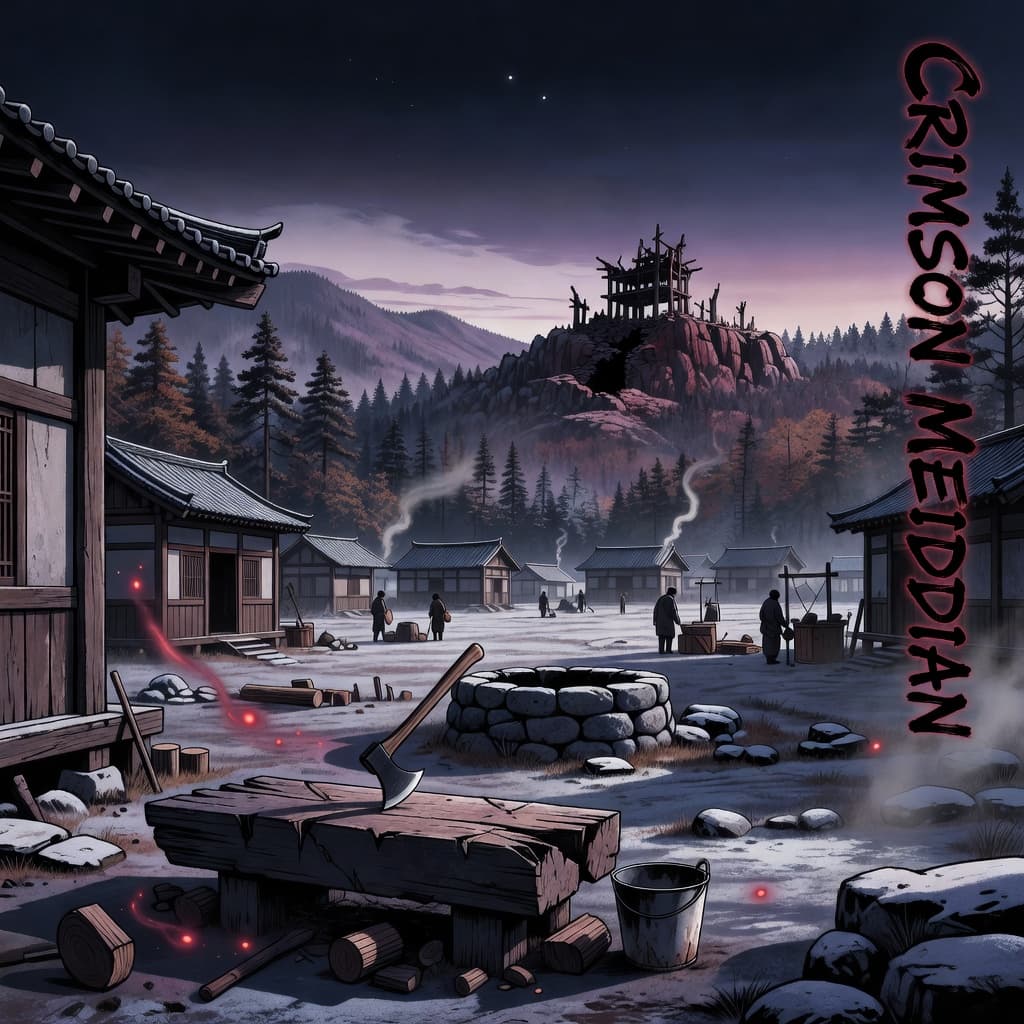
Eighteen years hidden. Today the bloodline they thought they burned begins to speak.
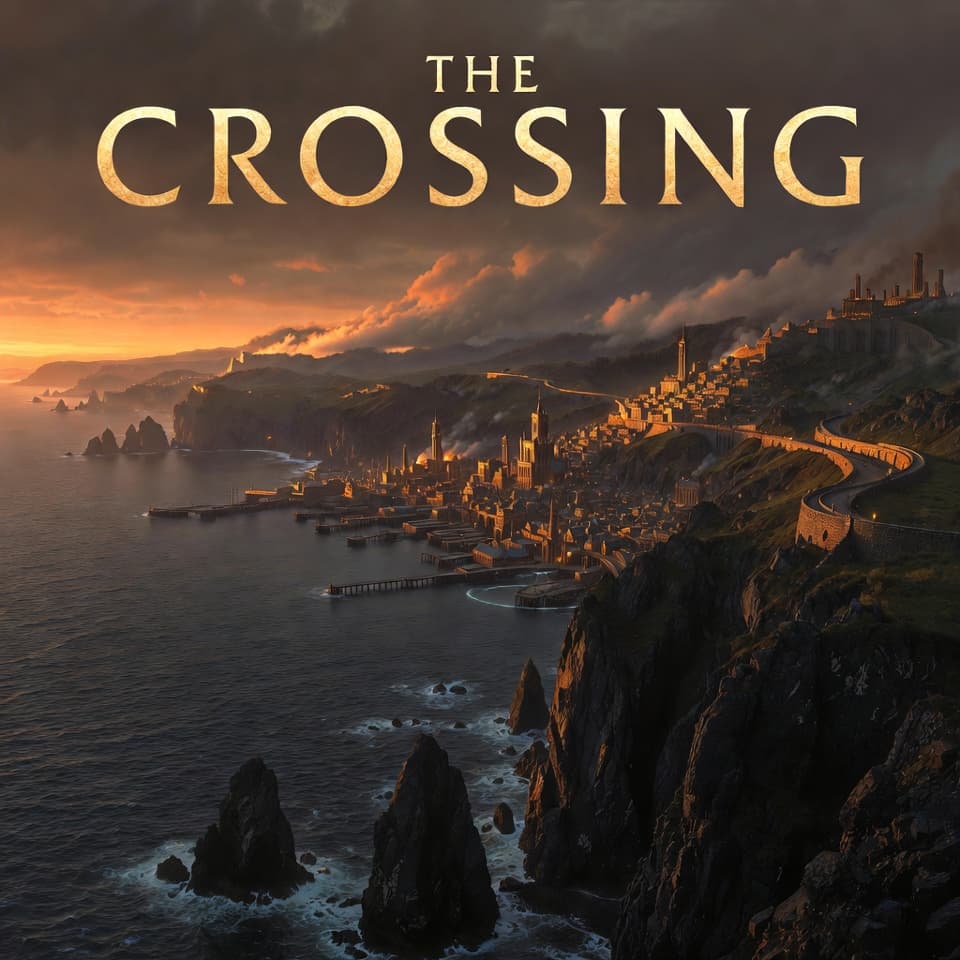
Pulled across the threshold into a mana-rich world — and you arrived already changed.
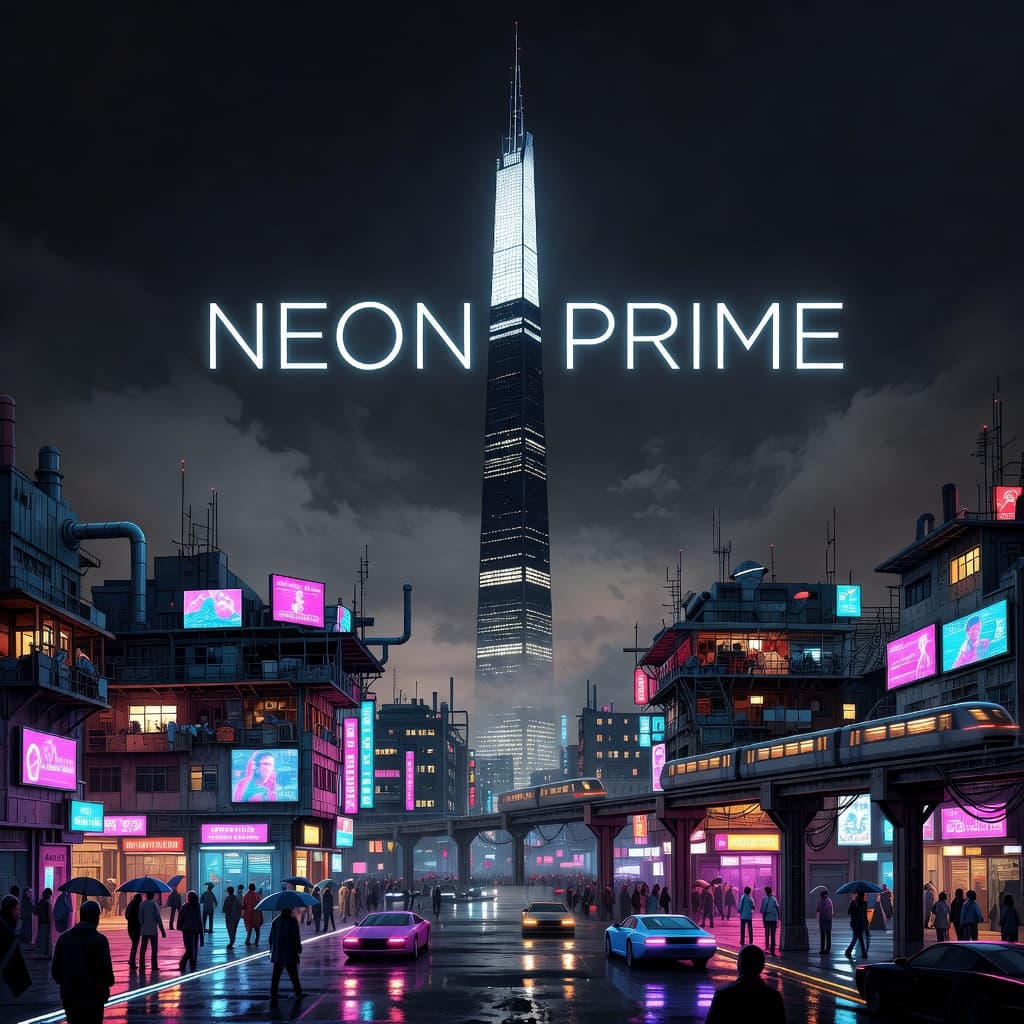
The dead drop was empty. Two strangers across the street are watching you for a reason.
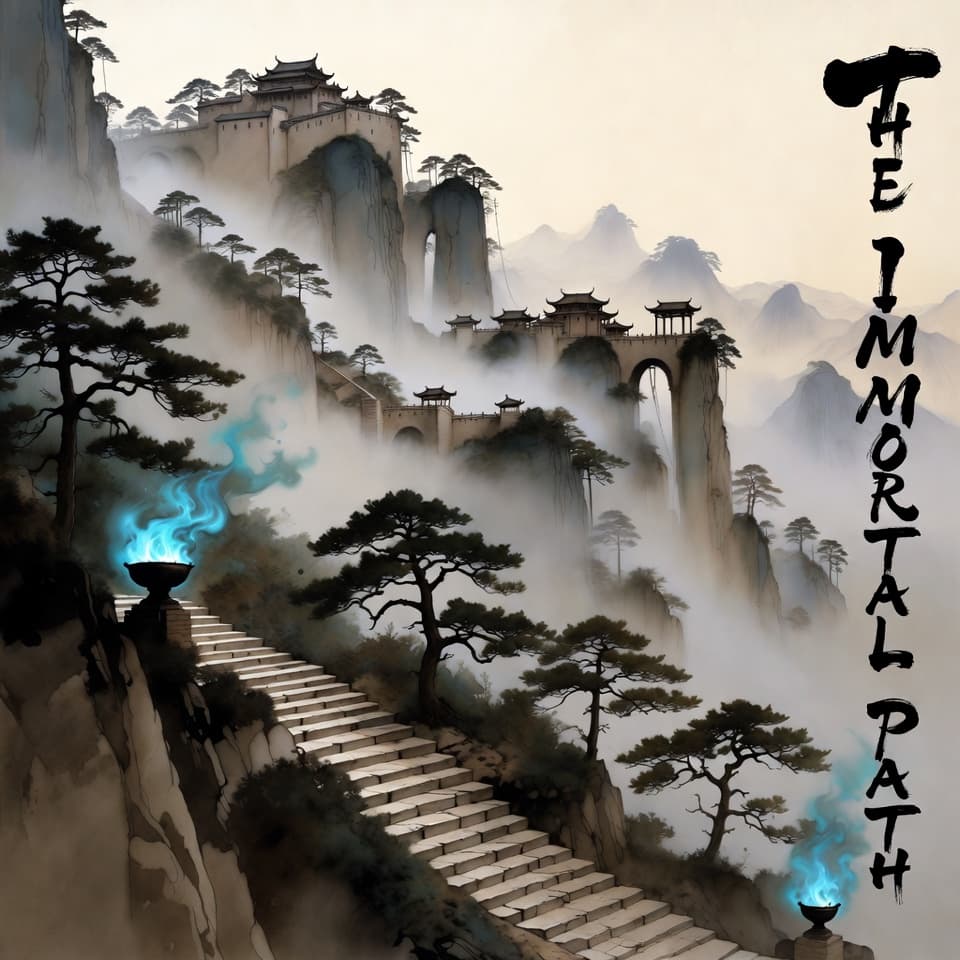
The cultivation world does not care about your name. It cares about what you do next.
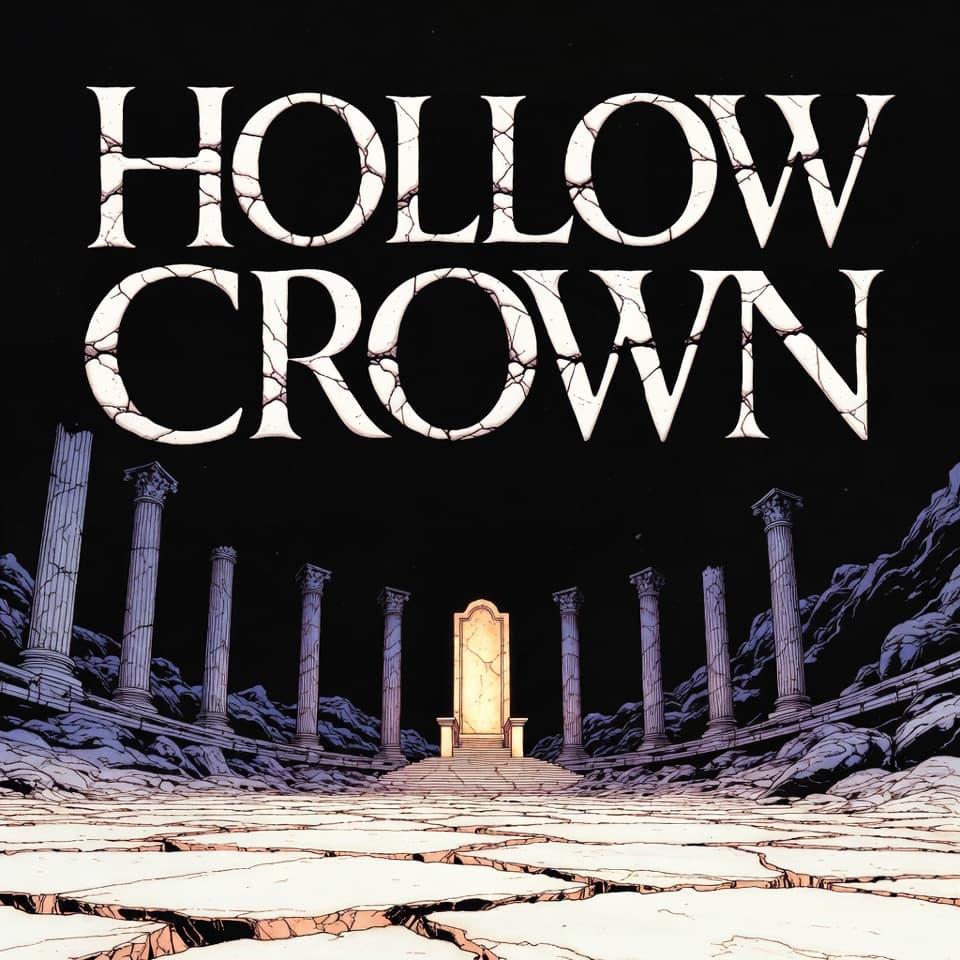
Heroes are ranked. Territory is earned. Today something stronger than the Corridor steps off the express.
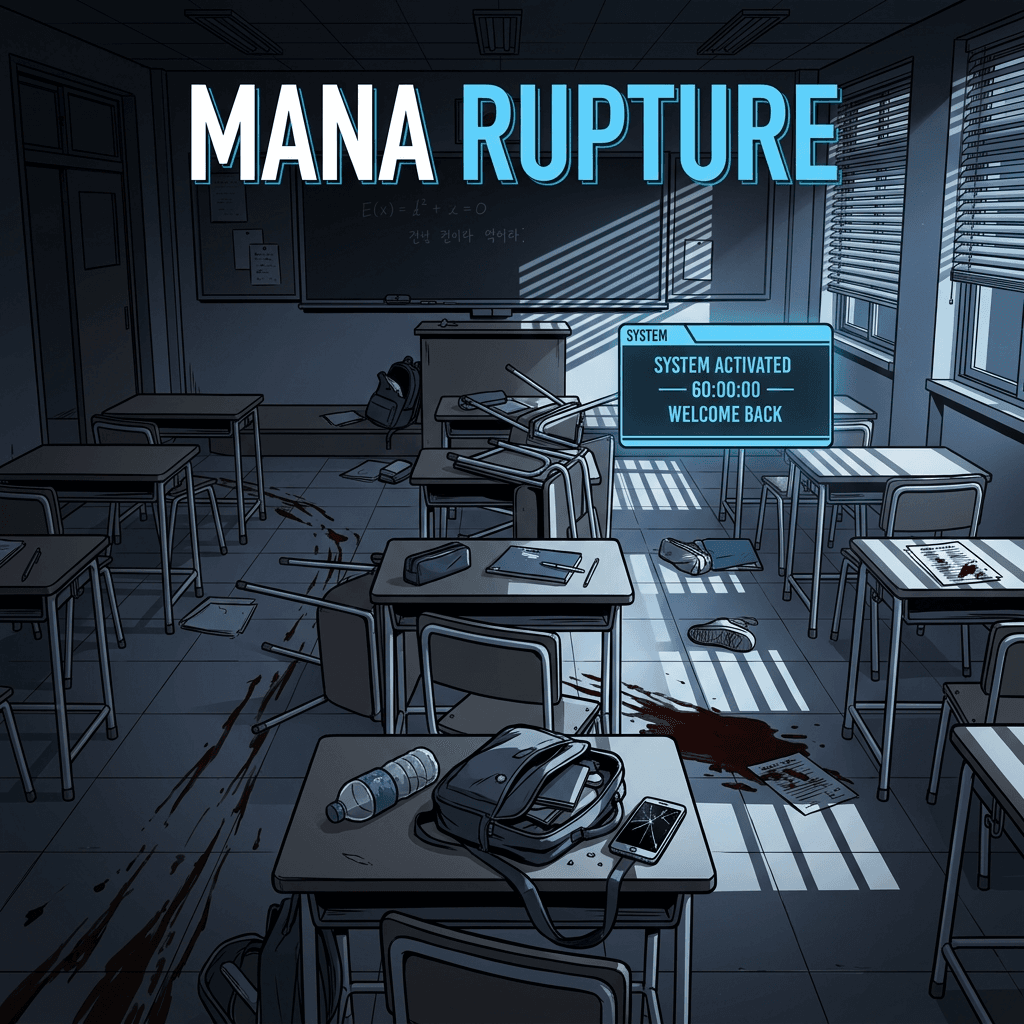
You wake two and a half days late, while a warm voice in your skull says: welcome back.
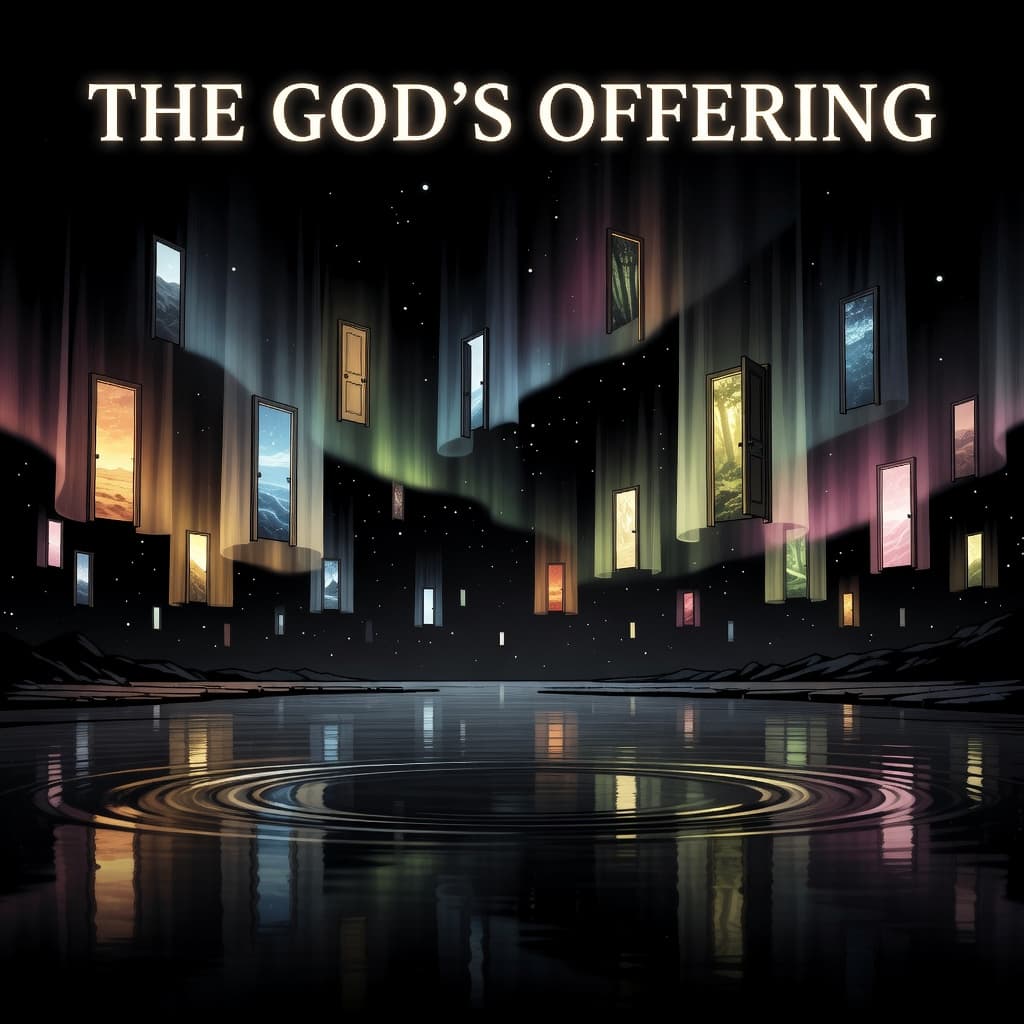
You died. A patient, amused voice asks what comes next.
Describe a world in a sentence. Loreium drafts the rest.
A narrative engine, not a chatbot. Worlds with memory, characters with agendas, stories with teeth.
Factions remember your choices. Injuries linger. The world changes around your decisions — and the changes don't expire.
Your story from turn one still echoes at turn two hundred. The engine distills and preserves — decisions compound, they don't expire.
Narrative arrives word by word, second-person present tense. No loading screens. No menus. You're inside the story as it's being written.
Characters with hidden motivations, shifting loyalties, and long memories. The merchant who helped you remembers. The rival you spared does too.
Narrative arcs reshape around your decisions. Abandon a quest — it continues without you, and the consequences find you later.
Go back to any turn and take a different path. The engine tracks the branch — explore the road not taken without losing the story you built.
Multiple AI systems collaborate behind every turn — writing, remembering, and adapting in concert.
Type what your character does, says, or attempts. There are no menus — just intent, in your own words.
Literary prose streams to you in real time. The narrative accounts for everything — your history, your relationships, the state of the world.
Behind the scenes, the engine tracks every consequence. Characters react. Relationships shift. The map of who owes whom quietly redraws itself.
When your choices break the expected arc, the engine rebuilds — not to railroad you back, but to weave your divergence into something richer.